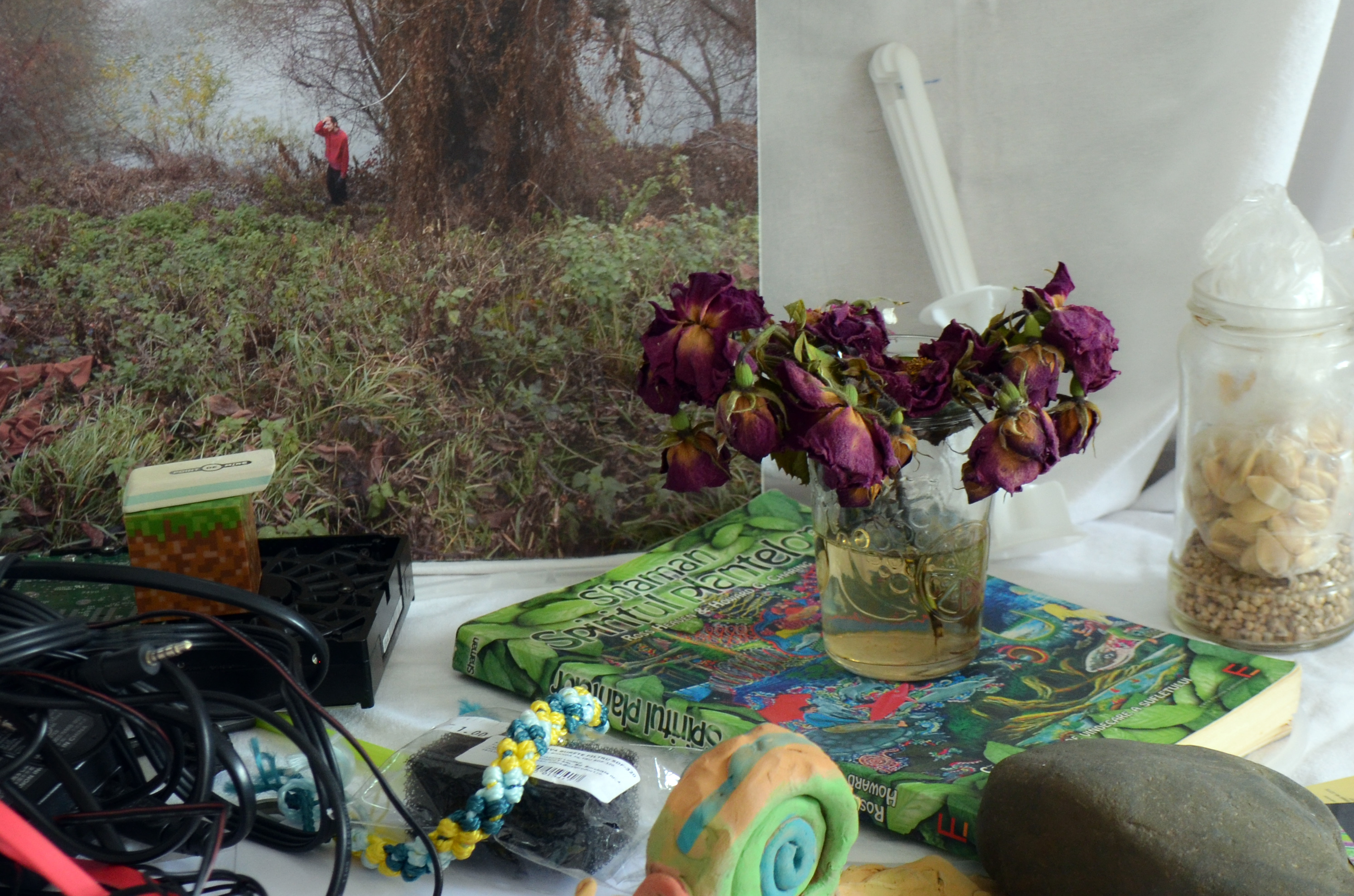
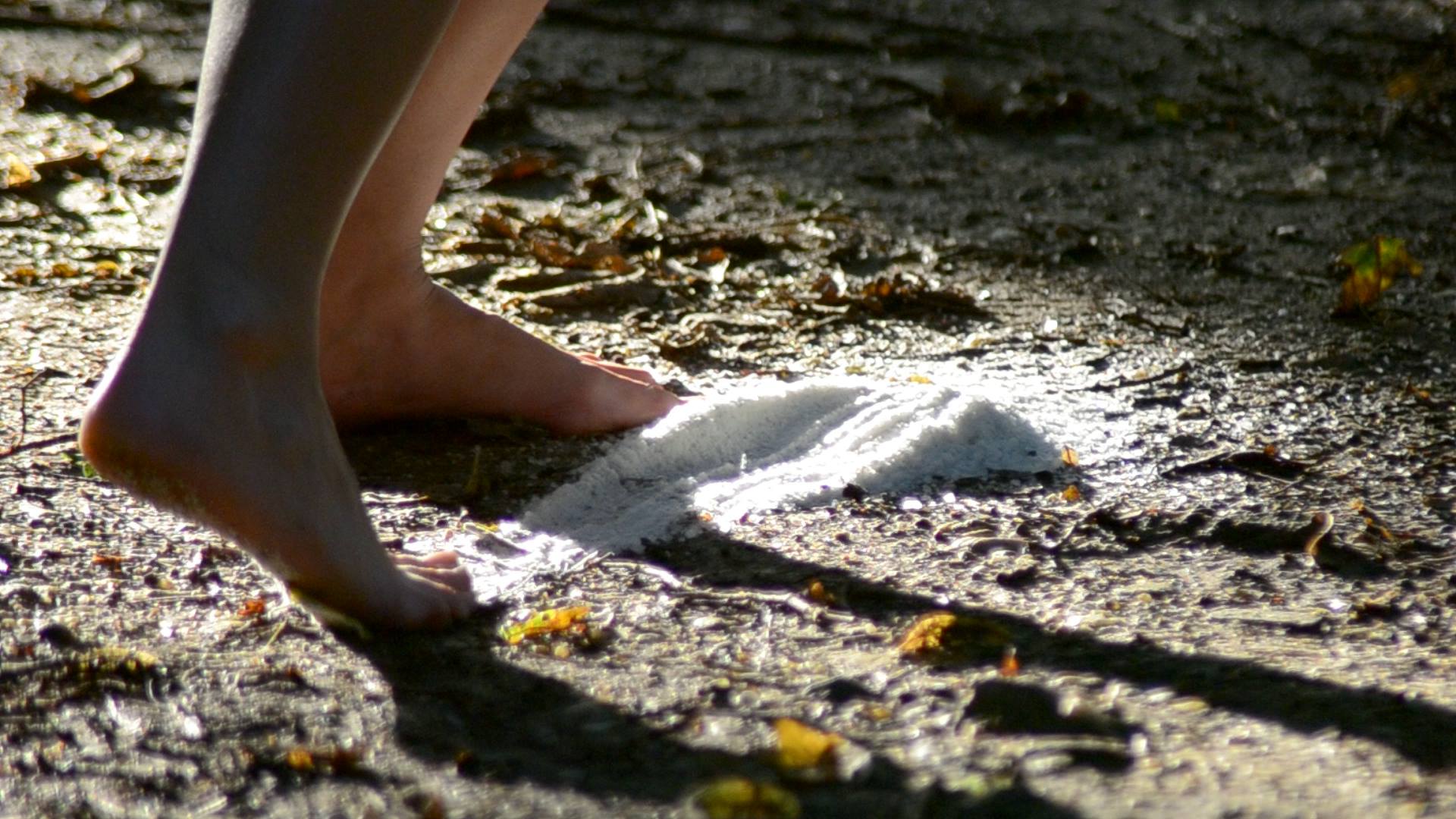
The work tries to represent space taking into account the proximity of things, the way in which the subject is lost in the network/assemblage of objects and it is transformed in turn, together with the network/assemblage it is contained in.
Obfuscation aesthetics experiment with the possibility of Dionysian networks. They produce discourses that are neither theoretical nor practical, but contingently performative. Obfuscational aesthetics are a chaosmotic response to the priblic (private/public) space not just by infecting the multifarious postdigital discourses, but by, at the same time, unconditionally accelerating their consequences, and preventing to know if any of those discourses—the artistic, the political, the technical, the scientific, the personal…—was not already infected.
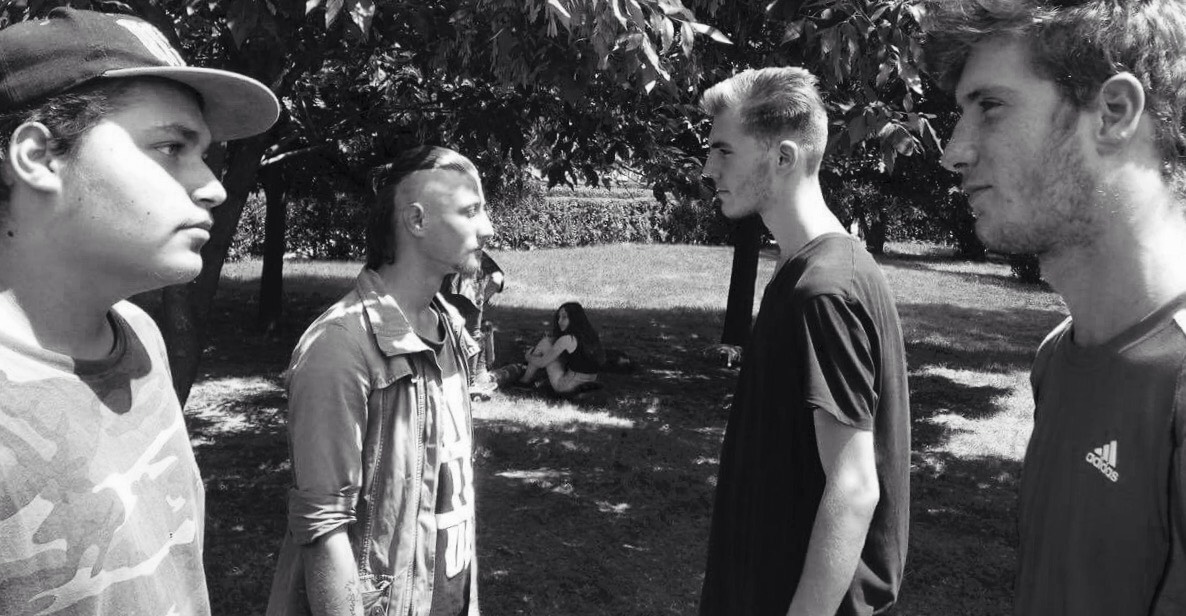
This screening session is built around the themes in Feed your friends, the current project at ODD in which the four curators invited their friends to exhibit into a sort of extended living room, in the middle of a roaring city centre.
What are the postdance contemporary practices and how are they distributed between the white cube and the black box, or even outside of these spaces? Where is the dance in a dance piece where no one is dancing? What are the aesthetic, conceptual and political stakes of a dance that seeks to affirm itself only as dance? How to enter the museum within the terms of a practice based on its impending disappearance and on a strong collaborative tradition?
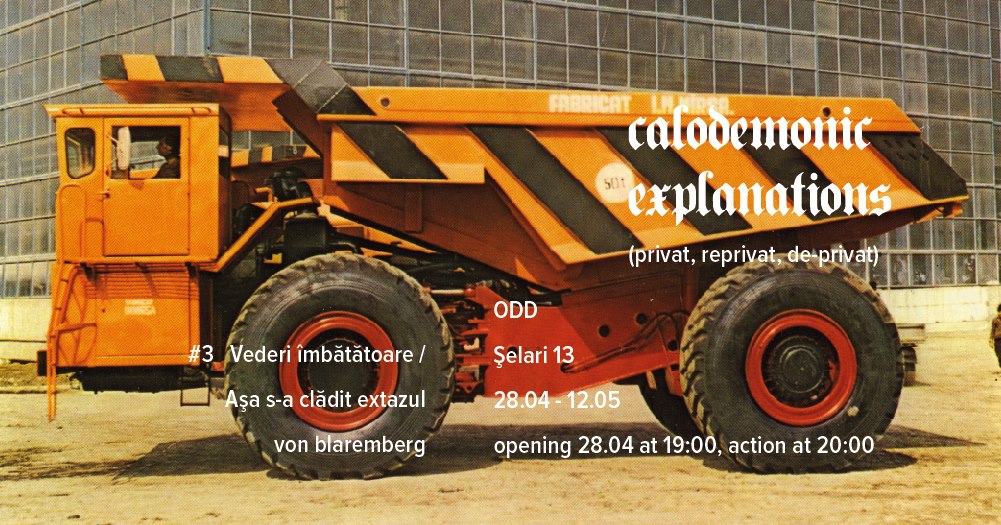
Starting with images’ distribution principle from Mnemosyne Atlas (Aby Warburg) the postartist summarises a deposit of typographic images prepared in the ‘80s in order to fill the panels from the fabrics and schools with illustrations through which an (a)ddressable common sense of the exemplary-citizen has been educated.
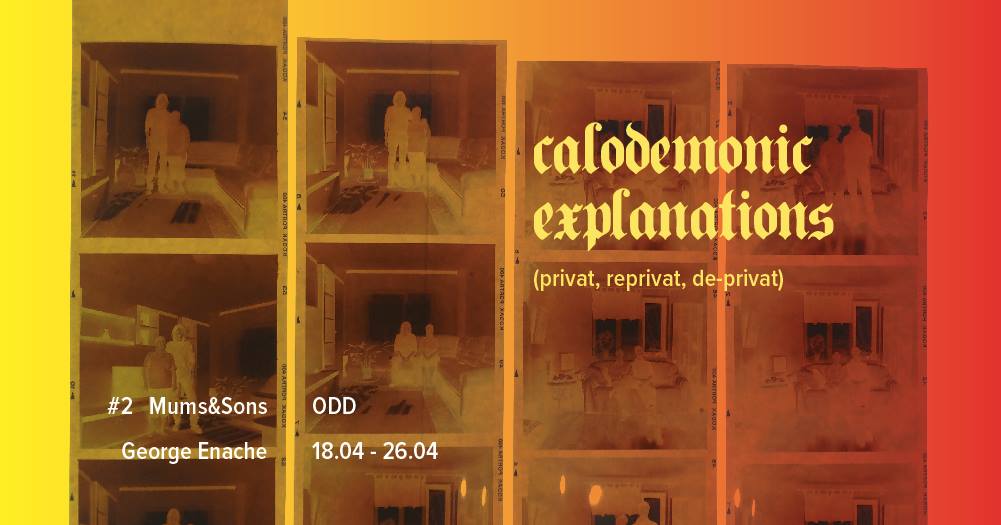
Mums&Sons per-trans-inspects through portraiture/ family photography the nebulous connexions and the psychic, unconscious, general flux generated by this kind of problematic relationships.